

Fashion has always been about more than just clothing. What we wear can express our personality, culture, mood, and even the traditions we grew up around. But behind every saree, dress, shirt, or handcrafted textile is a much bigger story—one that begins with raw materials and continues through weaving, dyeing, stitching, transportation, selling, wearing, and finally deciding what happens to the garment when we no longer need it.
Maybe it is an old saree that has been in your family for years. Maybe it is a kurtas you bought during a special trip. Maybe it is a handwoven shawl that feels different from everything else in your wardrobe.
Why do we remember certain clothes?
Usually, it is not because they were the newest thing we bought.
We remember them because they have a story.
Fashion has always been connected to stories. It tells us something about where we come from, what we like, how we celebrate, and even how we see ourselves. But today, there is another story hidden behind our clothes—one that we are becoming more curious about.
Who made this garment?
What kind of fabric was used?
How much work went into creating it?
Was the person who made it treated fairly?
What happened to the resources used to produce it?
And perhaps most importantly, how long will we actually keep wearing it?
These questions are at the heart of sustainable and ethical fashion.
Sustainability is not about making fashion boring or asking people to stop enjoying beautiful clothes. It is about creating a healthier relationship with what we wear. Ethical fashion takes that idea further by reminding us that clothing is made by people, not machines alone.
When we understand both sides, a simple piece of clothing can suddenly feel very different.
Fashion Is More Than What We See
- When we look at a beautiful saree hanging in a store, we usually notice the Colours first.
- Perhaps it is a deep indigo, a warm earthy red, a soft beige, or a bright combination of colours. We notice the pattern, the border, the texture and the way the fabric falls.
- But there is an entire journey behind that final appearance.
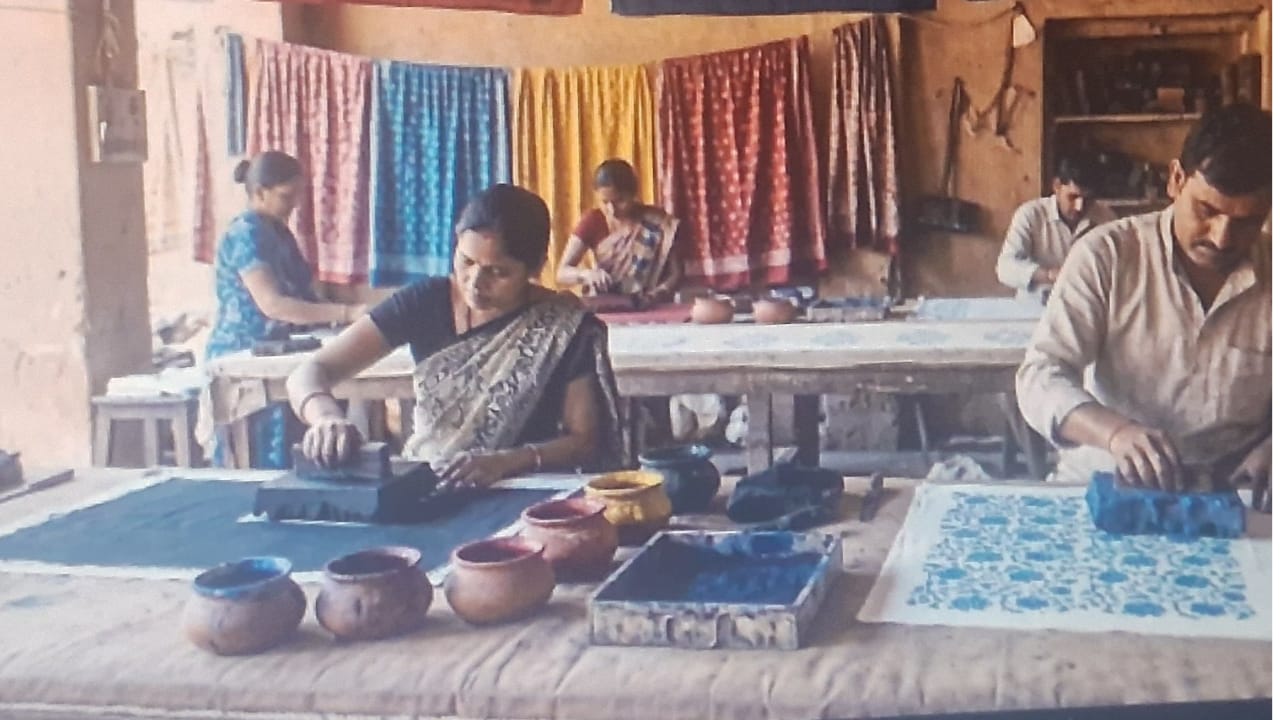
- Before the saree reaches us, someone has selected or prepared the fabric. Someone has worked with dyes. Someone has printed, woven, embroidered, stitched, washed, dried, finished, folded, packed, and transported it.
- In handmade textiles, there can be even more steps.
- A crafts person may spend hours repeating a process that looks simple to someone seeing it for the first time.
- This is one reason sustainability begins with appreciation.
- When we understand the work behind clothing, we are less likely to think of it as something disposable.
What Sustainability Actually Looks Like
- The word “sustainability” is everywhere today, but its meaning can sometimes become unclear.
- At its heart, sustainable fashion is about reducing unnecessary harm and using resources thoughtfully.
- That can mean many things.
- It can mean choosing fabrics carefully. It can mean reducing production waste. It can mean making clothing that lasts longer. It can mean using better production practices. It can mean repairing a garment instead of replacing it.
- And sometimes sustainability can be as simple as wearing something you already own.
- We often think sustainability requires buying something labeled “sustainable.”
- But sometimes the most sustainable garment in your wardrobe is the one you already have.
- If you have a saree that you have worn for years and continue to wear, you are already extending its useful life. If you repair a favorite kurtas instead of throwing it away, you are making a different kind of fashion choice.
- Sustainability is not always about buying more responsibly.
- Sometimes it is about buying less frequently.
The Human Side of Fashion
- There is another part of the fashion conversation that deserves just as much attention—the people.
- Every garment has human effort behind it.
- A farmer may grow the fiber.
- A spinner may turn it into yarn.
- A weaver may create the fabric.
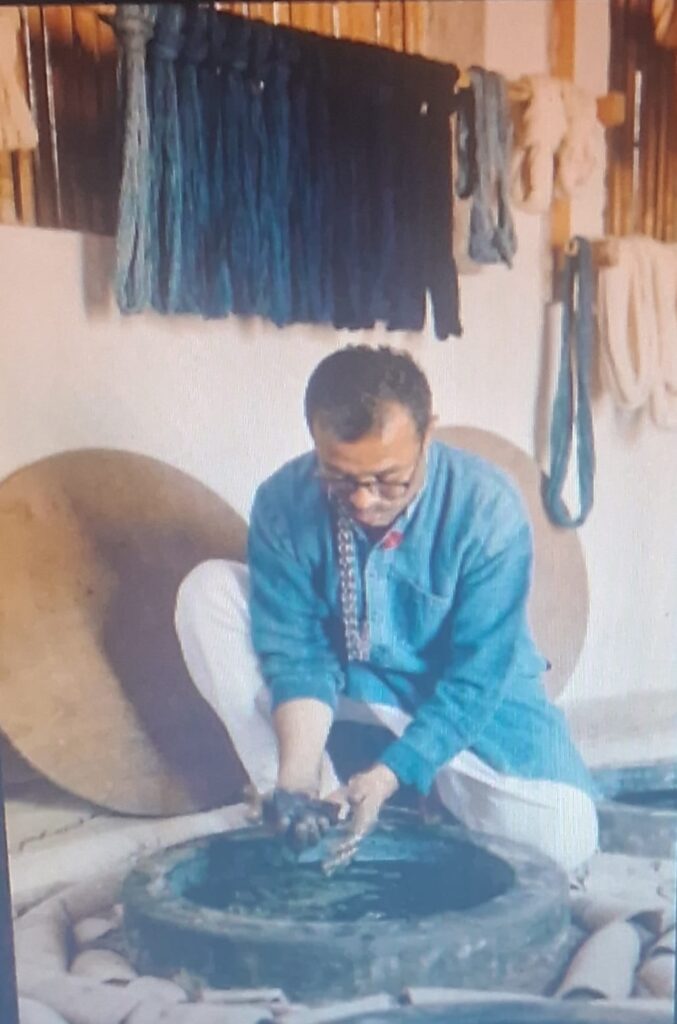
- A dyer may give it Colours.
- A printer may create its pattern.
- A tailor may give it shape.
- A crafts person may add the finishing details.
- When we look at the final garment, all those people can disappear behind a brand name or price tag.
- Ethical fashion asks us to look behind that label.
- Were workers paid fairly?
- Did they have safe working conditions?
- Were artisans properly recognized for their skills?
- Are traditional craftspeople receiving enough value for their work?
- These questions matter because fashion is not only an environmental issue. It is also a human issue.
Why Handmade Clothing Feels Different
- There is something special about handmade textiles.
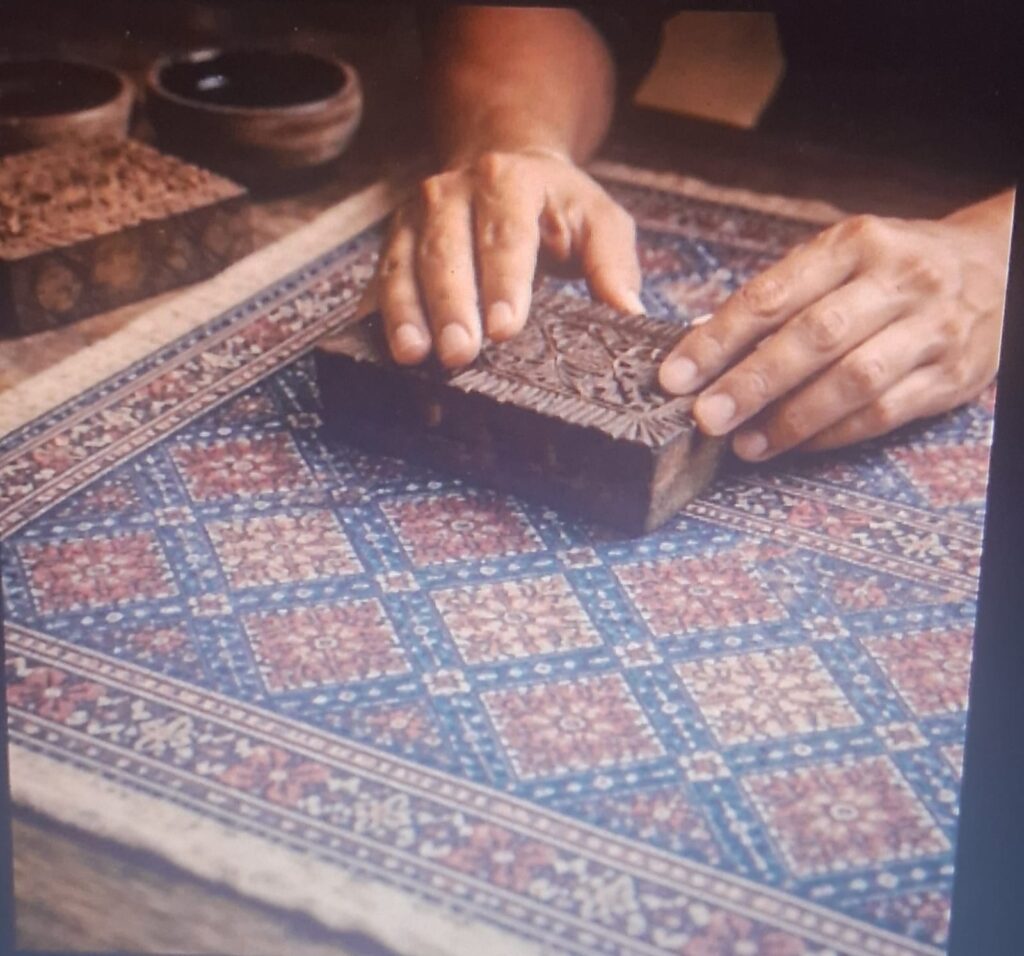
- It may be a tiny irregularity in a print.
- A slight variation in Colours.
- A small difference between two motifs.
- A texture that is not perfectly uniform.
- In mass production, these differences might be considered imperfections.
- In handmade work, they can be evidence of the human hand.
- This is especially visible in traditional Indian textiles.
- Across India, generations of artisans have developed techniques for weaving, dyeing, printing and decorating fabric. These techniques are not simply production methods. They are forms of cultural knowledge.
- A hand-printed textile can carry the rhythm of the person who made it.
- That is something a perfectly identical factory print cannot reproduce in quite the same way.
- Supporting responsible craft businesses can therefore mean supporting more than a product. It can help maintain skills, livelihoods, and traditions.
The Problem With Wearing Something Once
- Let’s be honest.
- Most of us have clothes sitting in our wardrobes that we barely wear.
- Maybe we bought them because they were trending.
- Maybe the price was attractive.
- Maybe we thought we would wear them for a particular occasion.
- And then they simply stayed there.
- This is where our relationship with fashion becomes important.
- Clothing is not waste simply because it is old. In fact, old clothing can be some of the most valuable clothing we own if we continue using it.
- The real question is not:
- “How new is this?”
- It is:
- “How much life can I get from this?”
- A well-made garment that is worn fifty times can tell a very different story from a cheap garment worn twice.
- That does not mean everyone needs to buy expensive clothes.
- It means we can think about value differently.
Slow Fashion and the Joy of Taking Your Time
- Slow fashion is often described as the opposite of fast fashion, but the idea is bigger than that.
- It is about slowing down the decision-making process.
- Instead of immediately buying something because it is trending, we can pause.
- Do I actually like it?
- Does it fit my style?
- Can I wear it in different ways?
- Will I still want it after the trend disappears?
- Does it work with the clothes I already own?
- These questions take only a few seconds, but they can completely change our buying habits.
- A versatile garment often becomes more valuable than a highly trendy one because we can keep returning to it.
- A saree is a perfect example.
- The same saree can be styled traditionally for one occasion and in a more contemporary way for another. Change the blouse, jewelry, drape, footwear, or layering, and the entire appearance can change.
- That is sustainability through creativity.
The Story Behind Traditional Textiles
- Traditional textiles have an especially important place in the sustainability conversation because they remind us that fashion did not always depend on rapid trends.
- Many textile traditions developed through local knowledge and generations of practice.
- Artisans understood their materials deeply.
- They knew how fabrics behaved.
- They knew how colours interacted.
- They knew how to repeat complicated patterns by hand.
- They developed techniques suited to their region and resources.
- Today, many of these traditions continue to evolve.
- They are not frozen in the past.
- Modern designers and artisans are finding new ways to bring traditional techniques into contemporary wardrobes.
- This creates an interesting connection between old and new.
- A traditional technique can create a modern silhouette.
- An old textile can become a contemporary outfit.
- A heritage print can appear in a completely new Colours combination.
- This is one of the most beautiful things about sustainable fashion—it does not have to look old-fashioned.
Natural Does Not Always Mean Perfect
- There is a common assumption that if something is natural, it is automatically sustainable.
- Reality is more complicated.
- Natural fibers can have environmental impacts depending on how they are grown and processed. Natural dyes can also require resources such as water and plant materials.
- Synthetic materials have their own advantages and disadvantages.
- So instead of searching for one magical “perfect” material, it is better to understand the complete picture.
- Where did the material come from?
- How was it processed?
- How long will it last?
- How will it be washed?
- Can it be repaired?
- What happens when it is no longer usable?
- These questions give us a more realistic understanding of sustainability.
- There may not always be a perfect answer.
- But asking better questions is already a step forward.
Taking Care of Clothes Is an Act of Respect
- We often talk about how clothes are made but forget what happens after we buy them.
- Care matters.
- A garment that is washed incorrectly may lose its Colours or shape. Delicate fabrics may become damaged by rough handling. Small tears can become large holes if ignored.
- Taking care of clothing can extend its life considerably.
- Read the care label.
- Store delicate pieces properly.
- Avoid unnecessary washing.
- Repair small problems early.
- Keep special textiles away from damp conditions.
- These are simple things, but they make a difference.
- There is also something emotional about caring for clothing.
- When we repair something instead of throwing it away, we are saying that it is worth keeping.
- That is a very different relationship with fashion.
Repairing Can Be Beautiful
- For a long time, repairing clothes was simply practical.
- Today, it can also be creative.
- A damaged saree can be transformed into another garment.
- Old fabric can become bags, cushions, scarves, or accessories.
- A worn-out piece can sometimes be redesigned rather than discarded.
- This process is often called up-cycling.
- The interesting thing about up-cycling is that it gives an existing material another identity.
- Instead of asking, “What can I throw this away for?” we ask, “What else can this become?”
- That change in thinking is at the heart of a more circular approach to fashion.
Transparency Builds Trust
- When buying fashion, it is not always easy to know what happens behind the scenes.
- A beautiful photograph cannot tell us everything.
- This is why transparency is becoming increasingly important.
- Brands and designers can help by sharing information about their materials, production processes, artisans, manufacturing locations, and care recommendations.
- Customers do not necessarily need complicated technical information.
- Sometimes a simple explanation is enough.
- Who made it?
- Where was it made?
- What technique was used?
- What makes the textile special?
- How should it be cared for?
- Honest information creates a stronger connection between the maker and the customer.
- It also allows customers to make decisions based on more than appearance.
Sustainability Does Not Have to Be Expensive
- Another common misunderstanding is that sustainable fashion is always expensive.
- Sometimes responsibly produced garments can cost more because they involve better materials, skilled labor, smaller production quantities, or fairer wages.
- But sustainability is not simply about purchasing premium products.
- It can also mean shopping your own wardrobe.
- Buying fewer pieces.
- Choosing versatile clothing.
- Repairing what you own.
- Buying second-hand where appropriate.
- Passing clothing to someone else.
- Reusing old textiles.
- Taking better care of what you already have.
- Some of the most sustainable choices can cost nothing at all.
A More Thoughtful Way to Shop
- Before buying something new, try asking yourself a few simple questions:
- Do I really need it?
- Can I imagine wearing it many times?
- Does it work with clothes I already own?
- Is it comfortable enough to become a regular part of my wardrobe?
- Do I understand anything about where it came from?
- These questions do not have to turn shopping into a stressful activity.
- They simply make us more aware.
- And awareness is important because fashion is ultimately a personal choice.
- Everyone has different budgets, lifestyles, needs, and preferences.
- There is no single wardrobe that works for everyone.
- The idea is simply to make choices with more intention.
What Does Ethical Fashion Look Like in Everyday Life?
- Ethical fashion can sound like a big industry concept, but it can be surprisingly ordinary.
- It can look like buying from a small artisan business.
- It can mean asking where a handmade textile came from.
- It can mean paying attention to the person behind the product rather than only the logo.
- It can mean avoiding unnecessary purchases.
- It can mean treating workers and craftspeople as skilled professionals rather than invisible parts of a supply chain.
- It can even mean appreciating the clothing you already own.
- Ethical fashion begins when we stop seeing clothing as something that simply appears in a shop.
- There is always a person somewhere behind it.
Fashion With a Longer Memory
- Perhaps the biggest change sustainability asks from us is to stop thinking about fashion only in terms of the present moment.
- Instead of asking what is trending today, we can think about what will still matter tomorrow.
- A well-made textile can move from one occasion to another.
- A saree can be worn by a mother and later passed to her daughter.
- A handwoven shawl can become part of family memories.
- An old garment can be redesigned into something completely different.
- This is where fashion becomes more than consumption.
- It becomes memory.
- It becomes craftsmanship.
- It becomes inheritance.
- It becomes part of someone’s life.
A Future Where Fashion and Responsibility Meet
- The future of fashion will continue to change.
- New technologies will appear. New materials will be developed. Designers will experiment with different production methods. Consumers will continue asking more questions about where their clothes come from.
- But some of the most valuable lessons may come from practices that have existed for generations.
- Make things carefully.
- Use what you have.
- Repair when possible.
- Respect skilled work.
- Do not waste unnecessarily.
- Pass things forward.
- These ideas are simple, but they remain relevant.
- Sustainability does not mean returning to the past.
- It means taking useful lessons from the past and finding ways to apply them to the present.
The Clothes We Choose Become Part of Our Story
- At the end of the day, sustainability and ethical fashion are not about having a perfect wardrobe.
- They are about becoming a little more conscious of the choices we make.
- Maybe that means buying one thoughtful piece instead of several impulsive ones.
- Maybe it means choosing a handmade textile because you understand the skill behind it.
- Maybe it means repairing your favorite garment.
- Maybe it means wearing something you already own in a completely new way.
- Small choices may seem insignificant on their own, but together they can change the way we think about fashion.
- The most meaningful clothes are often not the ones we forget after a season.
- They are the ones that stay.
- The ones we wear again.
- The ones we repair.
- The ones we remember.
- And perhaps that is the real beauty of sustainable fashion—not simply making clothes differently, but learning to value them differently.
- Because when we know the story behind what we wear, clothing stops being just another purchase.
- It becomes something worth caring for.


