
Clothes have always been more than something we wear.
They become part of our celebrations, memories, relationships, and everyday stories.
A saree chosen for a wedding can carry meaningful tradition.
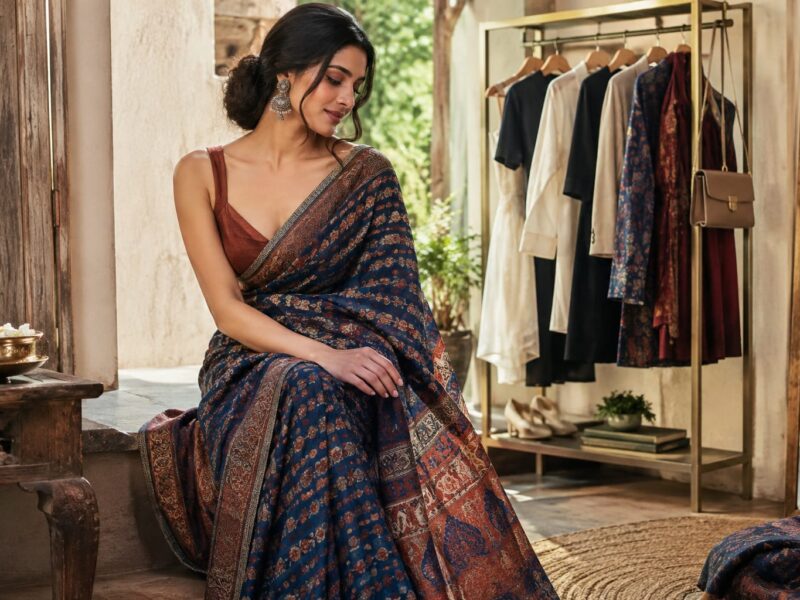
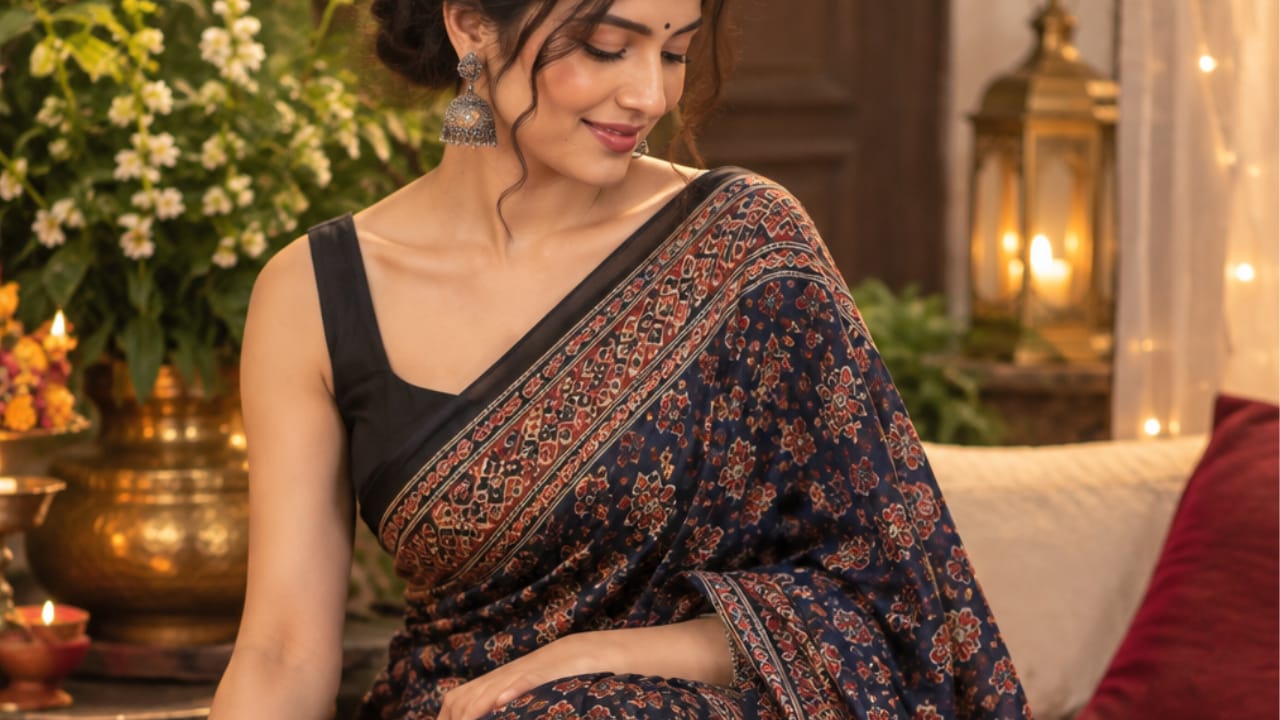
The Ajrakh saree for occasions can carry a feeling that goes beyond fabric.
A light cotton outfit worn during a summer afternoon can also carry meaning.
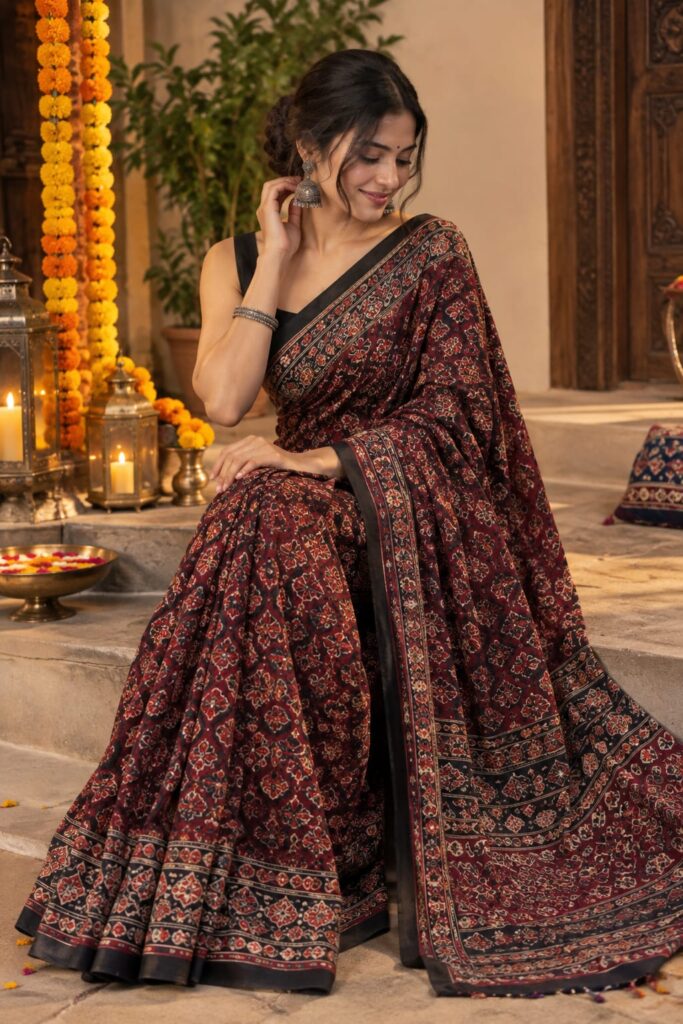
This is where occasions, gifting, and seasonal wear come together. The right textile can make a celebration feel more special, turn a simple gift into something meaningful, and make everyday dressing comfortable without losing its beauty.
Today, people are increasingly looking for clothing that feels personal. Instead of buying something simply because it is fashionable, many shoppers want pieces that have character, craftsmanship, comfort, and a story behind them. Handcrafted textiles, traditional weaves, natural fabrics, and thoughtfully designed clothing fit naturally into this shift.
Whether you are dressing for a festival, attending a family celebration, searching for a thoughtful gift, or simply updating your wardrobe for a new season, choosing the right textile can make the experience more memorable.
Dressing for the Moments That Stay With Us
Some occasions are remembered through photographs, some through people, and some through the Ajrakh saree for occasions we wore.
A wedding outfit may remind us of a particular evening years later. A saree worn during Diwali might bring back memories of family gatherings and decorated homes. Even a simple hand loom kurtas can remind someone of a special trip, a gift from a loved one, or a celebration shared with friends.
This is why occasion wear does not always need to be extremely heavy or elaborate. What matters is how the garment feels and how naturally it fits into the moment.
For weddings and festive celebrations, richer textures and detailed weaving often create a celebratory look. Traditional prints, embroidery, and deeper colors enhance that effect. For smaller gatherings, Ajrakh saree for occasions can offer elegance without feeling excessive.
The most memorable occasion pieces are often those that balance beauty with individuality.
Seasonal Wear: Let the Fabric Do the Talking
Every season has its own personality, and our wardrobes naturally change with it.
Summer calls for fabrics that allow the skin to breathe. Cotton, linen, mulmul, and other lightweight textiles can make warm days much more comfortable. Their natural textures also bring an effortless, relaxed quality to everyday dressing.
During cooler months, heavier cottons, wool blends, silk, and layered textiles can provide warmth while creating a richer visual appearance. Winter also gives people more freedom to experiment with layering—a handwoven shawl over a saree, a textured jacket over a kurtas, or a beautiful stole paired with a simple outfit.
The important thing is not simply to follow a seasonal color chart. It is to understand what the season asks from our clothes.
A beautiful outfit that feels uncomfortable because the fabric is too heavy for summer may remain untouched in the wardrobe. On the other hand, a thoughtfully chosen lightweight saree may become the piece you reach for again and again.
Comfort is not separate from style. In many cases, comfort is what allows style to feel natural.
Summer Dressing: Light, Easy and Breathable
Summer wardrobes often benefit from fabrics that feel airy and easy against the skin.
Natural cotton remains a favorite because it is comfortable, versatile, and suitable for a wide range of clothing. Hand-block printed cotton sarees, cotton dupattas, relaxed kurtas, and lightweight dresses can all work beautifully for everyday summer dressing.
Lighter colors are often associated with summer, but there is no rule that says warm weather has to mean an entirely pale wardrobe. Indigo, earthy reds, muted greens, yellow, rust, and other natural shades can bring character to summer outfits when paired with breathable fabrics.
The beauty of handcrafted textiles is that they do not always look perfectly uniform. Small variations in printing, weaving, or texture can give the fabric a sense of individuality.
That little irregularity is often part of the charm.
Winter Wardrobes: Texture, Layers and Warmth
Winter dressing creates a different kind of opportunity.
Instead of relying only on thick garments, layering allows traditional and contemporary pieces to work together. A simple saree can be styled with a warm shawl. A cotton kurtas can be paired with a textured jacket. A handwoven stole can instantly change the appearance of a basic outfit.
Winter is also a wonderful season for appreciating texture.
Woven patterns, thicker fabrics, natural wool, silk, textured cotton, and embroidered details can add depth to an outfit without requiring excessive decoration.
For people who prefer timeless clothing, seasonal layering also extends the life of existing wardrobe pieces. A garment does not necessarily have to belong to only one season. With the right styling, the same piece can move from one part of the year to another.
Festive Wear Does Not Have to Mean Heavy Wear
Festivals naturally bring color, tradition, family, food, music, and dressing up.
But festive dressing has changed over time. Many people now want outfits that look celebratory while still being practical enough to wear for several hours.
This has created space for lighter festive sarees, printed textiles, handwoven fabrics, elegant dupattas, contemporary kurtas, and minimal jewelry combinations.
A beautifully designed saree does not need layers of embellishment to make an impression. Sometimes a distinctive weave or handcrafted print can become the main feature of the outfit.
The same idea applies to other traditional garments.
A simple kurtas with a beautifully printed dupatta can look festive. A handwoven saree with understated jewelry can feel elegant. A traditional textile paired with a modern blouse or jacket can create an entirely different appearance.
Festive dressing is increasingly about finding a balance between heritage and personal style.
Gifting: When Fabric Becomes a Memory
There is something special about receiving a textile as a gift.
Unlike many temporary gifts, clothing and textiles can remain with someone for years. A saree gifted by a daughter, a shawl received from a friend, or a handcrafted stole purchased during a trip can become connected to the person who gave it.
That emotional connection is one reason textiles make meaningful gifts.
When choosing a textile as a gift, it helps to think beyond color alone. Consider the person’s lifestyle, preferred fabrics, usual clothing style, and the kind of occasions they attend.
A lightweight cotton saree may be perfect for someone who enjoys everyday traditional dressing. A handwoven stole may suit someone who prefers subtle accessories. A festive textile may be appropriate for someone who loves celebrations and traditional clothing.
The best gift is not necessarily the most expensive one. It is the one that feels chosen specifically for the person receiving it.
Gifting Traditional Craftsmanship
Handcrafted textiles can add another layer of meaning to gifting.
When a textile is made through traditional techniques, the gift can represent more than the finished product. It can carry the story of the craft, the makers, the region, and the process involved.
A hand-block printed textile, for example, may carry tiny variations created during the printing process. A handwoven fabric may show subtle differences in texture or pattern. These characteristics are not necessarily imperfections. They can be evidence of the human hands involved in creating the piece.
For someone who values craftsmanship, this story can make the gift feel much more personal.
Instead of saying only, “I bought you something,” the gift quietly communicates, “I found something that reminded me of you.”
Gifting for Weddings and Family Celebrations
Weddings are among the most popular occasions for textile gifting.
Sarees, dupattas, shawls, stoles, dress materials, and traditional fabrics can all make thoughtful presents. The choice often depends on the relationship with the recipient and the type of celebration.
For close family members, people may choose more elaborate or personalized textiles. For friends and colleagues, elegant yet versatile pieces can be a practical choice.
Color can also carry emotional significance. Some people prefer traditional festive shades, while others enjoy neutral, earthy, or contemporary colors.
There is no universal formula.
The important part is selecting something the recipient can actually imagine wearing.
The Art of Choosing a Meaningful Textile Gift
Before purchasing a textile as a gift, a few simple questions can make the choice easier:
- What kind of clothes does the person normally wear?
- Do they prefer traditional or contemporary styles?
- Are they comfortable with bold colors or do they prefer subtle shades?
- Would they use the textile for everyday wear or special occasions?
- What fabric would suit their lifestyle?
- Can the piece be styled in more than one way?
These questions shift gifting from a generic purchase to a thoughtful selection.
A beautiful piece that matches someone’s personality will usually be remembered more than something chosen simply because it looks expensive.
One Textile, Many Occasions
One of the most valuable qualities in modern clothing is versatility.
A saree purchased for a festival does not have to disappear into the wardrobe afterward. It can be styled differently for a family lunch, cultural event, dinner, or even a more contemporary gathering.
The same applies to other garments.
A handwoven dupatta can be worn with a traditional kurtas one day and paired with a simple modern outfit another day. A printed jacket can transform a basic dress. A neutral stole can work with several colors and silhouettes.
This versatility gives clothing a longer life.
It also encourages people to buy fewer pieces that they genuinely enjoy rather than constantly adding garments that are worn only once.
Seasonal Gifting: Matching the Moment
Seasonal gifting can make a present feel even more thoughtful.
During summer, lightweight cotton textiles, breathable scarves, printed dupattas, and easy-to-wear garments can be practical and beautiful.
During winter, warm shawls, textured stoles, woolen accessories, and layered pieces can make more sense.
Festive seasons naturally create opportunities for colorful textiles and traditional garments.
The idea is simple: choose something that belongs to the moment while still being useful beyond it.
A seasonal gift becomes more meaningful when the recipient can immediately imagine using it.
The Beauty of Re wearing
Modern fashion conversations increasingly include the idea of wearing clothes more than once.
There was a time when repeating an outfit was sometimes treated as something to avoid, especially for photographs or social events. That attitude is slowly changing.
People are beginning to appreciate the value of styling the same garment differently.
A saree can have multiple blouse combinations. A dupatta can be styled with different outfits. A shawl can become part of both traditional and contemporary wardrobes. A dress can be transformed through accessories, layering, and footwear.
Re wearing allows a beautiful garment to become part of everyday life rather than remaining preserved for a single occasion.
And perhaps that is what clothing should ultimately do—be lived in.
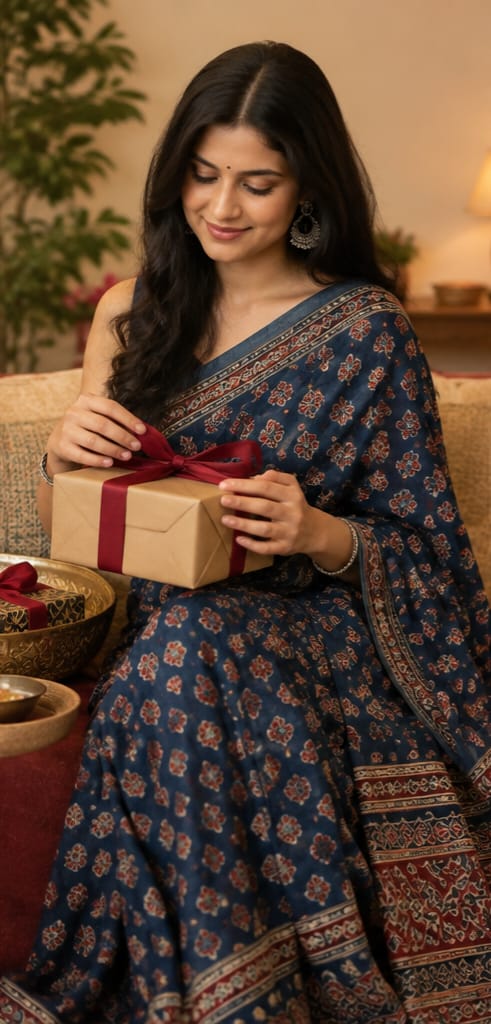
From Occasion Wear to Everyday Stories
There is a tendency to divide clothing into categories: everyday wear, festive wear, wedding wear, seasonal wear, and occasion wear.
But real wardrobes are rarely that simple.
A saree bought for a festival may become a favorite everyday piece. A gifted shawl may become part of someone’s winter routine. A special dupatta may be worn during family celebrations and casual outings alike.
Clothing moves with us.
That is why versatile textiles have such lasting appeal. They allow different parts of our lives to overlap.
A garment does not have to wait for a special occasion to become special.
Sometimes, wearing it on an ordinary day is what creates the memory.
Choosing Quality Over a Single-Use Trend
Trends can be exciting, but they often move quickly.
A textile with good craftsmanship, comfortable fabric, and timeless appeal can remain relevant long after a particular trend has disappeared.
This does not mean every wardrobe needs to be traditional or minimalist. It simply means that when choosing a special garment or gift, it is worth thinking about how long it might remain useful.
Quality can be seen in many ways: the feel of the fabric, the finishing, the strength of the weave, the care taken during printing, and the overall construction of the garment.
When these elements come together, a textile can become something that is not only beautiful today but meaningful years later.
Why Personal Style Matters More Than Rules
Fashion often comes with many rules—what to wear to a wedding, which colors belong to which season, what is considered festive, and what is considered casual.
But personal style rarely follows a strict formula.
Someone may feel most comfortable in a simple cotton saree at a celebration. Another person may prefer a heavily detailed outfit. Someone may love bright colors, while another person may choose earthy neutrals.
The best wardrobe is not necessarily the one that follows every fashion rule. It is the one that reflects the person wearing it.
Traditional textiles are especially beautiful in this way because they can be interpreted differently by different people.
The same fabric can look classic, modern, minimal, dramatic, or completely personal depending on how it is styled.
Caring for Clothes That Carry Stories
Special textiles deserve thoughtful care.
Following the recommended washing instructions, storing garments properly, protecting delicate fabrics from unnecessary moisture, and allowing them to rest between wears can help maintain their appearance.
For handcrafted textiles, care is particularly important because different dyes, fibers, and weaving techniques may require different handling.
Good care is not simply about keeping a garment looking new.
It is about extending its life.
When a textile lasts for years, it has more opportunities to become part of birthdays, festivals, family gatherings, travels, celebrations, and everyday moments.
That is when clothing becomes more than fashion.
It becomes memory.
A Wardrobe Built Around Moments
Perhaps the most beautiful way to think about occasion and seasonal wear is not as a list of clothing categories, but as a collection of moments.
There are clothes for celebrations, clothes for quiet evenings, clothes for warm summer mornings, clothes for winter gatherings, and clothes chosen because someone we love gave them to us.
Some garments make us feel dressed up. Others make us feel comfortable. The most special ones manage to do both.
As people become more conscious about what they buy, handcrafted and thoughtfully made textiles can find a natural place in modern wardrobes. They offer individuality, craftsmanship, versatility, and a connection to traditions that have travelled through generations.
Gifting these textiles adds another dimension because the story moves from one person to another.
When What We Wear Becomes Part of Who We Are
Clothing is often described through fabric, color, design, and price.
But its real value can be much harder to measure.
It can be the saree someone wore when they celebrated their first festival after marriage. The shawl a grandmother passed down to her daughter. The cotton kurtas worn every summer because it simply feels right. The handwoven textile bought during a memorable journey.
These are not just garments.
They are pieces of personal history.
That is why occasions, gifting, and seasonal wear continue to matter. They connect clothing with the moments in which we live, celebrate, remember, and share.
A thoughtful textile does not need to be saved forever in a cupboard.
Wear it. Gift it. Style it differently. Take it to celebrations. Bring it into ordinary days.
Because the most beautiful clothes are often not the ones that remain untouched.
They are the ones that become part of our lives.