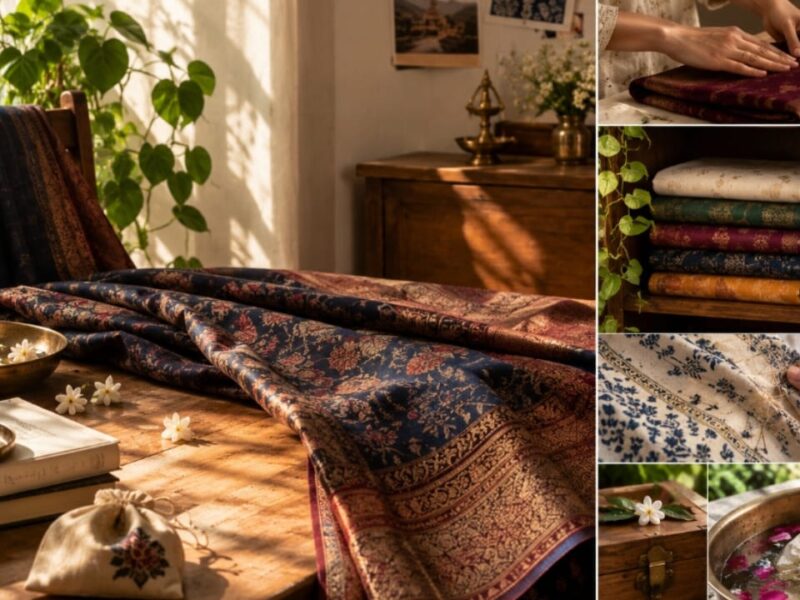

Buying something beautiful is easy. Knowing whether it is genuinely well-made, authentic, and worth the price is where the real challenge begins.
The Buyer’s Guide: Authenticity & Quality
Buying something beautiful is easy. Knowing whether it is genuinely well-made, authentic, and worth the price is where the real challenge begins.
Buying something beautiful is easy. Knowing whether it is genuinely well-made, authentic, and worth the price is where the real challenge begins.
Today, buyers have more choices than ever. From handmade textiles and traditional clothing to jewelry, crafts, and lifestyle products, thousands of options are available online and in stores. A beautiful photograph can make almost anything look premium. But behind that photograph, there can be a big difference in material, craftsmanship, originality, durability, and actual value.
That is why being a thoughtful buyer matters.
A good purchase is not simply about finding something attractive or getting the lowest price. It is about understanding what you are buying, how it was made, where it came from, and why it costs what it does.
Authenticity Is More Than a Label
The word “authentic” is used frequently in modern shopping. But authenticity is not something that can always be understood from a product label.
An authentic product usually carries a connection to its original craft, material, technique, maker, or tradition. In handmade products, small differences can
actually be a positive sign. Slight variations in color, texture, printing, stitching, or shape may show that the item was made by hand rather than produced
identically by a machine.
This is especially important when buying traditional textiles and crafts.
Look for information about the material, production process, artisans, region, techniques, and finishing. A seller who understands the product should be able
to explain these details clearly rather than relying only on words such as “premium,” “traditional,” or “original.”
Quality Starts With What You Cannot See .
- Good quality often begins with things that are not immediately visible. The strength of the fabric, quality of the thread, consistency of stitching, type of dye,
finishing technique, durability of the material, and care taken during production all contribute to the final product. - For textiles, for example, do not judge quality only by the print or color. Touch the fabric if possible. Notice its weight, softness, texture, weave, and
finishing. - For handmade products, examine the details.
- Are the edges finished properly?
- Does the stitching feel secure?
- Are the materials clearly described?
- Does the product feel carefully made rather than rushed?
- These small observations can tell you much more than attractive packaging.
Learn to Look Beyond the Price
Price is one of the first things buyers notice, but it should not be the only deciding factor.
A very low price can sometimes indicate inexpensive materials, mass production, limited finishing, or a different production process. On the other hand,
a higher price does not automatically grantee but superior quality we try to do our best.
The useful question is not simply:
Price vs. True Value
The answer may include better raw materials, skilled craftsmanship, natural or specialized dyes, longer production time, detailed finishing, fair artisan wages,
limited production, or careful quality control.
Understanding the reason behind a price helps you distinguish between genuine value and marketing language.
Materials Tell Their Own Story
- One of the simplest ways to understand quality is to learn about the materials used.
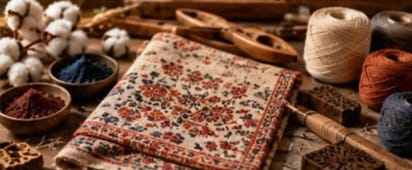
- If you are buying a textile, find out whether it is cotton, silk, linen, wool, a blend, or another fiber. If dyes are important to the product, understand
whether the seller provides information about the dyeing process. - The same principle applies beyond clothing.
- In jewelry, look at the metal and stones.
- In furniture, consider the type of wood and construction.
- In handmade pottery, look at the clay, glazing, and firing.
- In crafts, understand what materials are actually being used instead of relying on the appearance alone.
- The more you know about the material, the easier it becomes to recognize meaningful differences between products.
Handmade Does Not Mean Perfect
This is an important point for modern buyers.
People sometimes expect handmade products to look exactly like factory-made products. But handmade work follows a different logic.
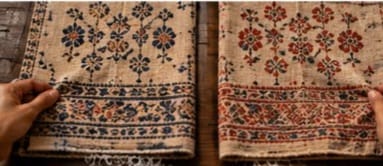
A hand-printed textile may have tiny variations in pattern placement. A hand-carved object may have subtle differences from another piece. A handwoven
fabric may not have the absolute uniformity of an industrial fabric.
These variations are not automatically flaws.
In many cases, they are evidence of the human process behind the product.
However, there is a difference between natural handmade variation and poor workmanship. Unevenness that affects durability, careless finishing, loose stitching,
damaged material, or serious construction problems should not simply be excused by calling something “handmade.”
The goal is to appreciate craftsmanship while still expecting reasonable quality.
Ask Questions Before You Buy
A good buyer does not need to be an expert. Asking a few simple questions can make a huge difference.
Before purchasing, you can ask:
- What material is used?
- Where is the product made?
- Is it handmade or machine-made?
- Which technique has been used?
- How should the product be cared for?
- Is the color likely to change with use or washing?
- Who makes the product?
- What makes this particular piece different?
- Is there any variation between the photographed product and the actual piece?
A genuine seller should not see reasonable questions as a problem.
In fact, clear answers can make you feel more confident about the purchase.
Product Photography Can Be Misleading
Online shopping has made beautiful products easier to discover, but photographs do not always tell the complete story.
Lighting can change colors. Editing can make textures appear richer. Styling can make a product look more luxurious than it feels in real life.
This does not mean every online seller is misleading customers. It simply means buyers should look beyond one photograph.
Check multiple product images. Look for close-up photographs. Read the description carefully. If reviews are available, look for comments about material, size,
quality, color, comfort, and durability rather than focusing only on star ratings.
A close-up image often reveals details that a beautifully styled photograph hides.
Read Reviews Like a Real Buyer
Reviews can be useful, but only when you know how to read them.
Instead of looking only at the overall rating, notice what previous buyers repeatedly mention.
If several people talk about excellent finishing, comfortable fabric, accurate color, or strong construction, that information can help you understand the product.
Likewise, repeated complaints about poor stitching, color differences, weak material, or misleading descriptions deserve attention.
One negative review does not necessarily define a product. One five-star review does not prove perfection either.
Look for patterns.
The Story Behind a Product Matters
- There is something special about knowing where an object comes from.
- A traditional textile may carry the knowledge of generations. A handmade craft may represent hours of patient work. A small artisan workshop may produce
fewer pieces because each item requires individual attention. - When you understand this story, the product becomes more than something sitting in your shopping cart.
- But storytelling should support authenticity, not replace evidence.
- A beautiful story is meaningful when it is connected to real materials, people, techniques, and production practices. Buyers should appreciate the story
while still asking practical questions about the product itself.
Quality Should Include Longevity
- One of the best ways to think about quality is to ask:
- “Will I still value this product after the excitement of buying it disappears?”
- A quality product should ideally offer usefulness, durability, comfort, or lasting aesthetic value.
- For clothing, consider whether you can wear it in different ways and care for it properly.
- For home decor, consider whether the material can withstand regular use.
- For handmade pieces, consider whether they are designed to be enjoyed for years rather than only displayed temporarily.
- Buying fewer meaningful products can sometimes be more satisfying than repeatedly replacing inexpensive ones.
Be Careful With “Authentic” Marketing
Words such as authentic, original, premium, traditional, luxury, and handcrafted sound convincing, but words alone are not proof.
A smart buyer looks for information behind the claim.
- If a product is described as handmade, does the seller explain the technique?
- If it is described as traditional, is its cultural or regional connection explained?
- If it is called premium, what materials or craftsmanship justify that description?
- This small habit can change the way you shop.
- Instead of being persuaded by labels, you begin looking for evidence.
Supporting Craftsmanship Through Conscious Buying
When you purchase a genuinely handmade or traditionally crafted product, your decision can have value beyond your own wardrobe or home.
It can contribute to the continued demand for skilled craftsmanship and encourage makers to keep traditional techniques alive.
But conscious buying does not mean buying something simply because it is labeled “handmade.”
It means understanding the work behind the product and choosing thoughtfully.
A well-made object deserves appreciation because of the skill, time, material, and care involved in creating it—not merely because it carries a fashionable label.
A Simple Checklist Before You Purchase
Before clicking Buy Now, take a moment to check:
Material: Do I know what it is made from?
Craftsmanship: Do I understand how it was produced?
Authenticity: Is there clear information supporting the authenticity claim?
Quality: Have I looked closely at construction and finishing?
Price: Do I understand what contributes to the price?
Care: Do I know how to maintain it?
Seller: Does the seller provide clear and honest product information?
Longevity: Can I realistically see myself using it for years?
If most of these questions have clear answers, you are making a more informed purchase.
The Meaning of a Better Purchase
A good purchase is not necessarily the most expensive one, the trendiest one, or the one with the most impressive packaging.
It is the one you understand.
When you know the material, recognize the craftsmanship, question exaggerated claims, and consider how a product will fit into your life, shopping becomes less about impulse and more about appreciation.
Authenticity and quality are not always visible at first glance. Sometimes they are hidden in the weave of a fabric, the precision of a stitch, the texture of a material, or the patience required to create something by hand.
The best buyers are not the ones who simply buy more. They are the ones who learn to look more closely.